Aurora Odyssey

Let’s Explore the Beauty of Aurora Borealis

Discover the science, mystery, and breathtaking beauty of the Northern Lights.

Best Places to See the Aurora

Prime viewing locations around the auroral oval, with Iceland as a standout destination.

Iceland

One of the best places on Earth to witness the Northern Lights. With its dark skies and accessible locations, Iceland offers frequent aurora displays from September to April.

  • Reykjavik: Easy access from the capital; short drives to dark-sky spots
  • Thingvellir National Park: Dark skies and historic significance
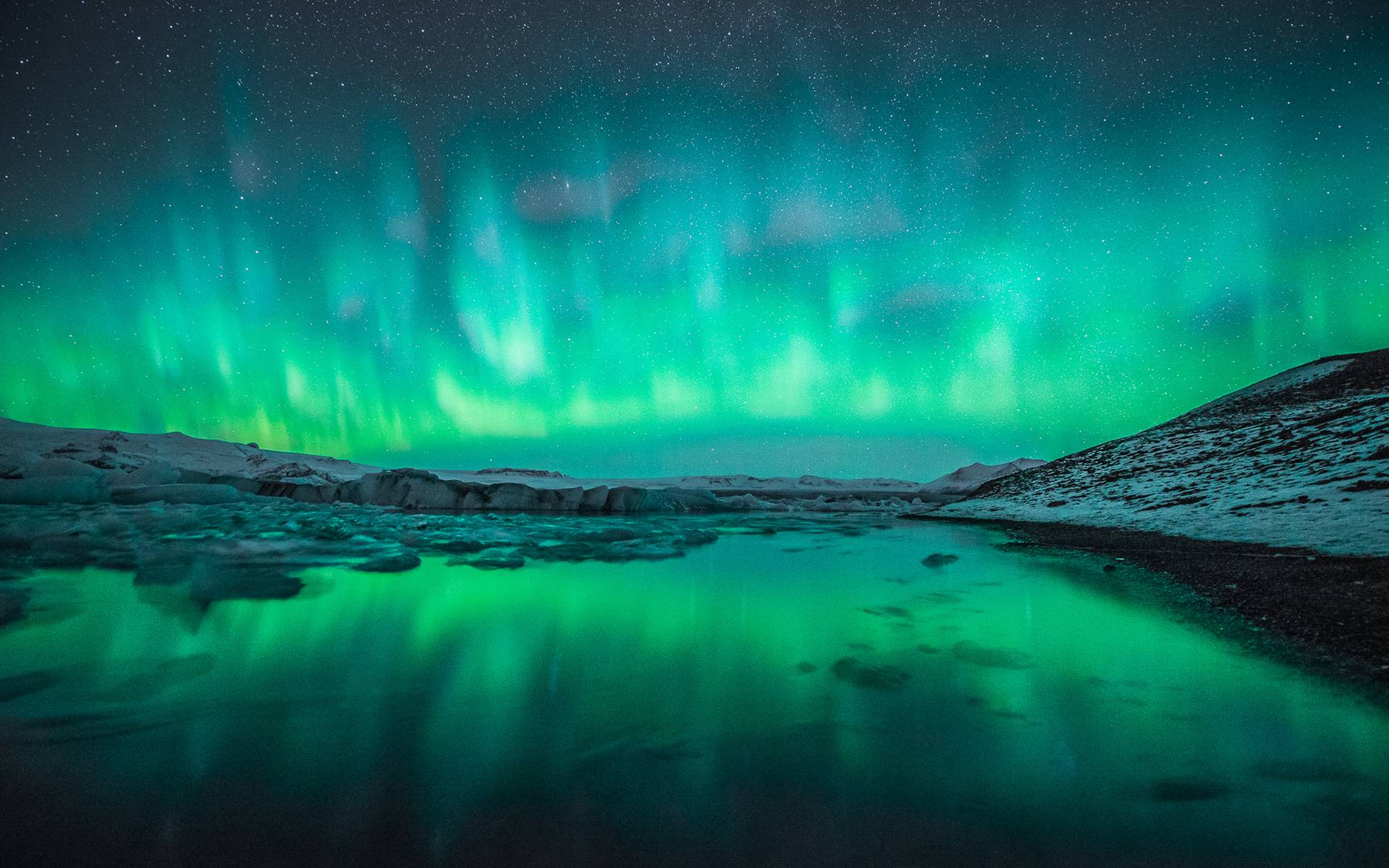
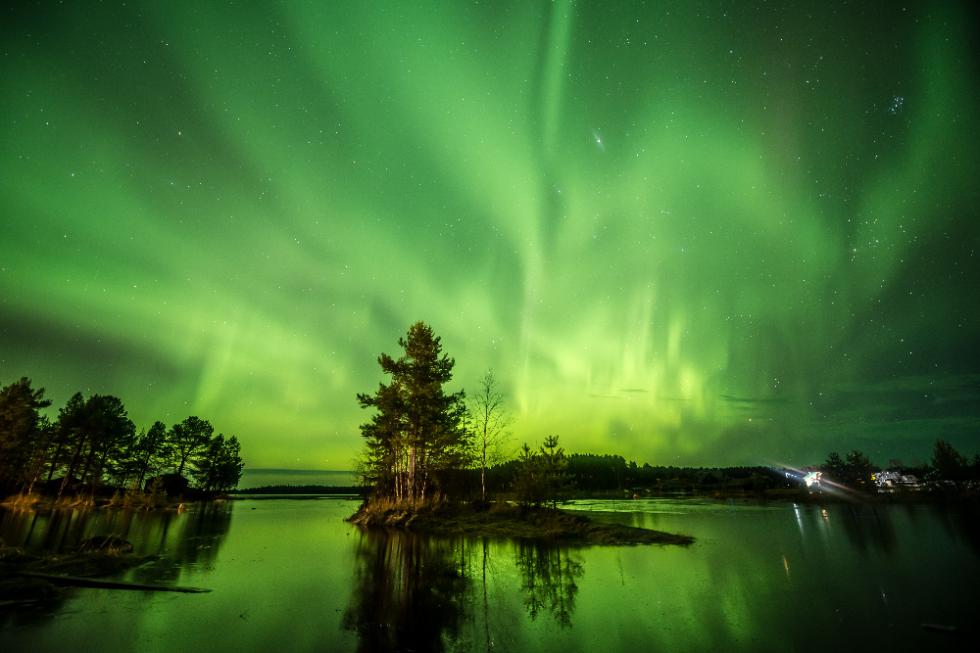
  • Jökulsárlón: Aurora reflected in glacial lagoons
  • Vik: Coastal views with dramatic black sand beaches
  • Akureyri: Northern Iceland's gateway to clear skies

Other Prime Locations

Additional excellent destinations for aurora viewing:

  • Norway: Tromsø, Lofoten Islands, and Alta
  • Sweden: Abisko (famous "Blue Hole" microclimate)
  • Finland: Rovaniemi and Lapland
  • Alaska: Fairbanks, Denali, and Anchorage area
  • Canada: Yellowknife, Whitehorse, and Churchill

Why Iceland Stands Out

Accessibility: Easy to reach from Europe and North America, with good infrastructure for travelers.

Dark Skies: Minimal light pollution outside Reykjavik, especially in rural areas and national parks.

Season: Long viewing season from late August to early May, with peak activity from October to March.

About the Northern Lights

A quick dive into how auroras appear and why they mesmerize.

Solar flares and coronal mass ejections blast streams of charged particles (electrons and protons) into space. This solar wind travels toward Earth and interacts with our magnetosphere.

The magnetosphere deflects most solar wind, but some particles spiral along magnetic field lines toward the polar regions, energizing atoms at altitudes of ~100–300 km.

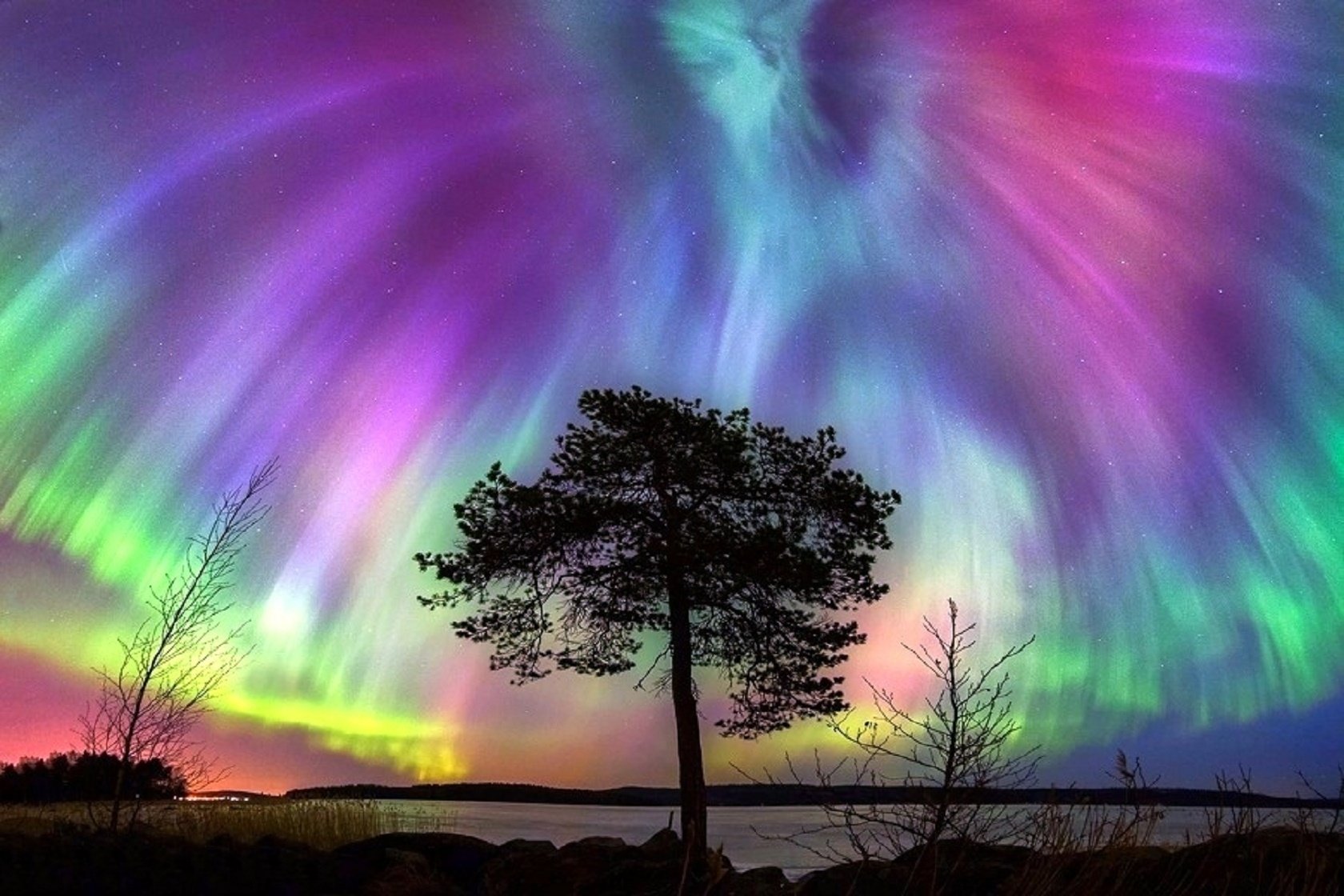
Oxygen at ~100–150 km emits green; at higher altitudes it can emit red. Nitrogen contributes blue and violet hues. The mix of gases, altitude, and energy determines the colors.